
Measure J

Passengers waiting for the bus in Los Angeles. Photo via Experiencing Los Angeles.

In 2008, Los Angeles County voters approved Measure R, giving our Metropolitan Transit Authority (MTA) $40 billlion over the next 30 years for transportation upgrades (everything from new light rail to expanded bus service to pothole repair) within the 88 cities that make up Los Angeles County. The $40 billion is funded through a half-cent transportation sales tax increase which will cost each resident around $25 per year for the next 30 years. In 2008, not only did I vote for Measure R (along with 75% of voters) but I did so enthusiastically.
Four years later, the MTA proposed a new measure on our ballots (Measure J) which would extend the tax for an additional 30 years at the cost of $90 billion. Initially, I thought that voting for Measure J would be an obvious choice, that is until I started reading the opposition to the Measure and began to assess the cumulative impacts of Measure J – thinking regionally and locally.
I am a public transportation advocate and a passionate one at that. Some of the improvements proposed in Measure J seem like they would have a positive impact but many seem negative.The problem is that we can’t be guaranteed which projects MTA will choose (or who could suffer in unforeseen ways in the process ) to put our money towards and I’m not sure I’m willing to give Metro $90 billion to carry out initiatives of their choosing.
CicLAvia’s Play Street
One of my favorite events in Los Angeles is CicLAVia, a bi-annual event that closes around 10 miles of streets to cars, filling them with bicycles, food trucks and fun. And every year it is equally as amazing to see Los Angeles’ wide boulevards filled with bicycles and pedestrians enjoying the streets and experiencing Los Angeles in an entirely new way.
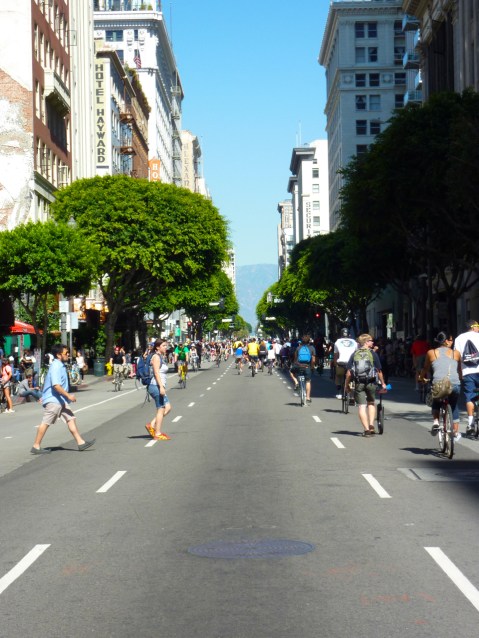
CicLAvia in Los Angeles, CA. Photo by Anna Peccianti

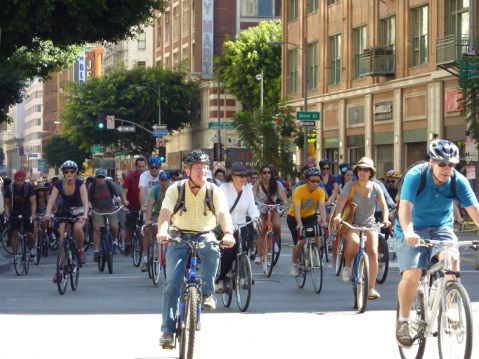
CicLAvia in Los Angeles, CA. Photo by Anna Peccianti

The origin of CicLAvia is Ciclovía from Bogotá, Colombia. Bogotá has inspired many innovative transportation planning projects here in the US but the idea of Ciclovía or “open street” projects may be most popular. These projects can be truly transformative because they allow anyone to experience what our largest public space could be like if it prioritized people instead of cars. The Open Streets Project has created a comprehensive database of projects in almost every state in the country. From New York to Fargo to San Antonio, residents can enjoy lively open streets filled with the rush of people instead of cars
For October’s CicLAvia, some friends and I from the Living Streets Los Angeles volunteer committee, decided to take over a side street along the CicLAvia route in Los Angeles’ Chinatown and turn it in to a street filled with playful activities. Our inspiration for our play street came from the incredible work of urban planner and artist Candy Chang. Ms. Chang transforms public space through engaging participatory art projects that allow residents to use their imaginations to dream of what spaces can become.
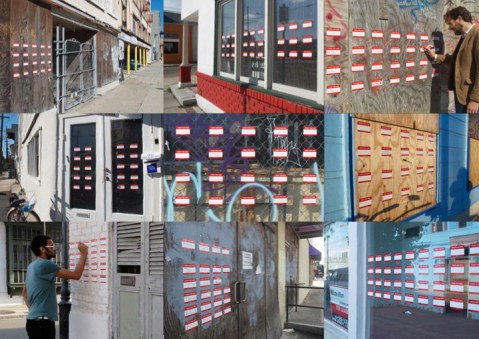
Examples from “I Wish this Was…” by Candy Chang. Photo via candychang.com

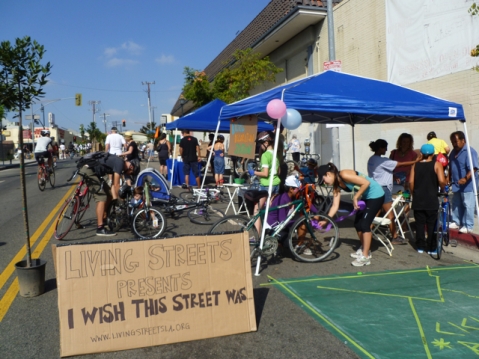
“I Wish This Street Was…” presented by Living Streets Los Angeles at CicLAvia. Photo by Living Streets Los Angeles

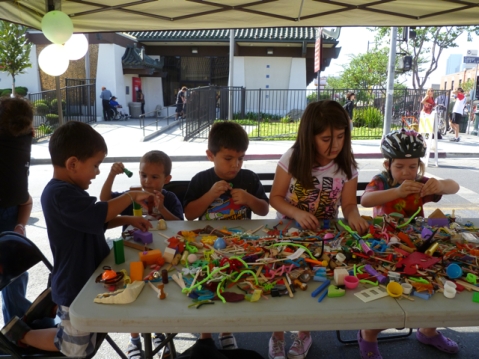
Children design their ideal street at “I Wish This Street Was…” presented by Living Streets Los Angeles at CicLAvia. Photo by Living Streets Los Angeles
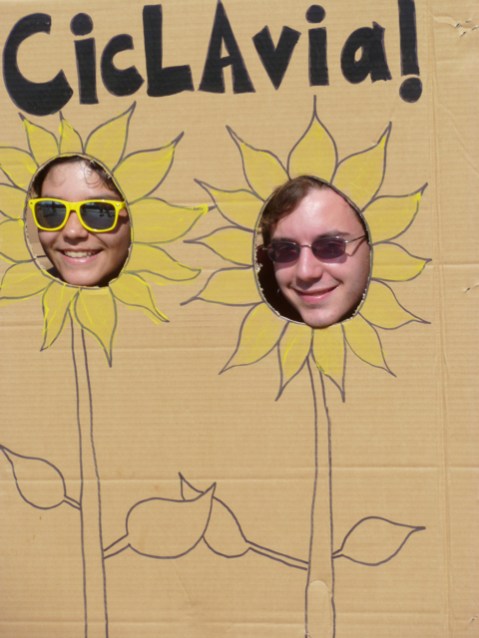
Photo booth fun at “I Wish This Street Was…” presented by Living Streets Los Angeles at CicLAvia. Photo by Living Streets Los Angeles
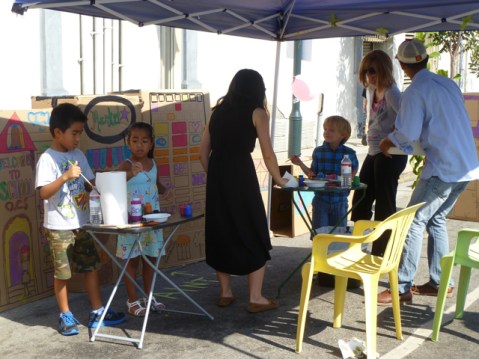
Children painting with their parents for “I Wish This Street Was…” presented by Living Streets Los Angeles at CicLAvia. Photo by Living Streets Los Angeles
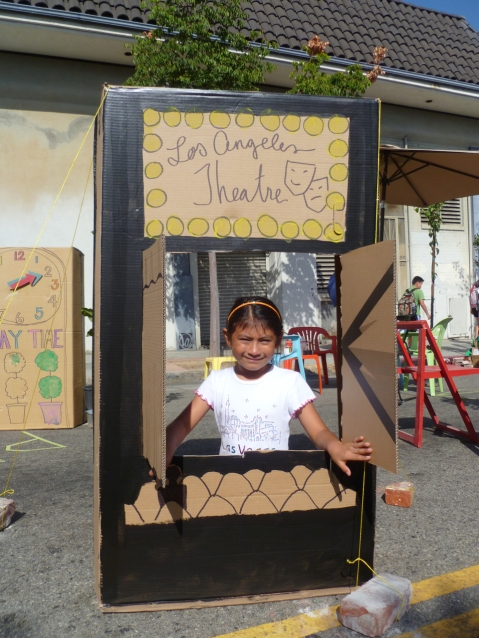
Photo booth fun during “I Wish This Street Was…” presented by Living Streets Los Angeles at CicLAvia. Photo by Living Streets Los Angeles
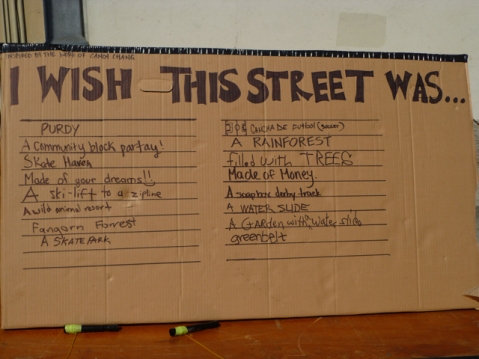
Community members envision a new use for a street in Los Angeles (based on “I Wish This Was…” by Candy Chang). CicLAvia, Los Angeles. Photo by Living Streets Los Angeles.
.%20CicLAvia%2C%20Los%20Angeles.%20Photo%20by%20Living%20%20%2F%2F%20The%20Accessible%20City "Pin It")
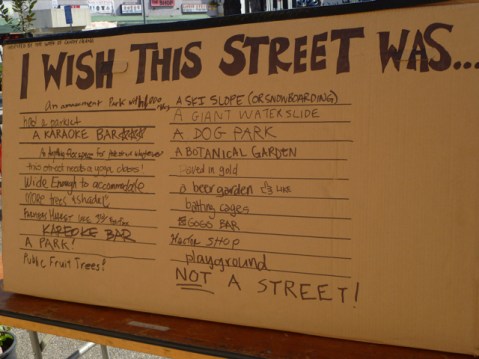
Community members envision a new use for a street in Los Angeles (based on “I Wish This Was…” by Candy Chang). CicLAvia, Los Angeles. Photo by Living Streets Los Angeles.
.%20CicLAvia%2C%20Los%20Angeles.%20Photo%20by%20Living%20%20%2F%2F%20The%20Accessible%20City "Pin It")
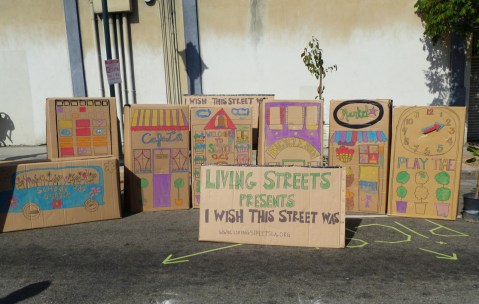
Paintings by participants of “I Wish This Street Was…” presented by Living Streets Los Angeles at CicLAvia. Photo by Living Streets Los Angeles

Das Lego Bridge
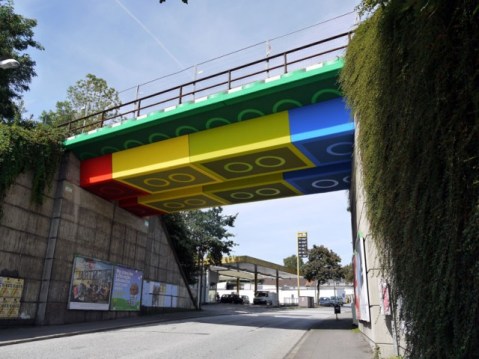
Lego bridge in Wuppertal, Germany by Megx. Photo by Lukas Power and Rolf Dellenbusch via This is Colossal

Street artist Megx has transformed the underside of a bridge in Wuppertal, Germany to look like a bridge made of legos.
The bridge is painted as an optical illusion (the surfaces are flat) and transforms a blank space in to a space of delight and wonder.
Chicago’s Celebration in the Streets

Photo by katiesaba via Flickr.
%20%2F%2F%20The%20Accessible%20City "Pin It")
Look at all the fun to be had at this year’s Open Streets Chicago event!
Inexpensive transformations of our largest public spaces (our city streets) turn concrete slabs built for cars into playgrounds for the entire city.
Check out more photos from this event here.
Beyond Zuccotti Park
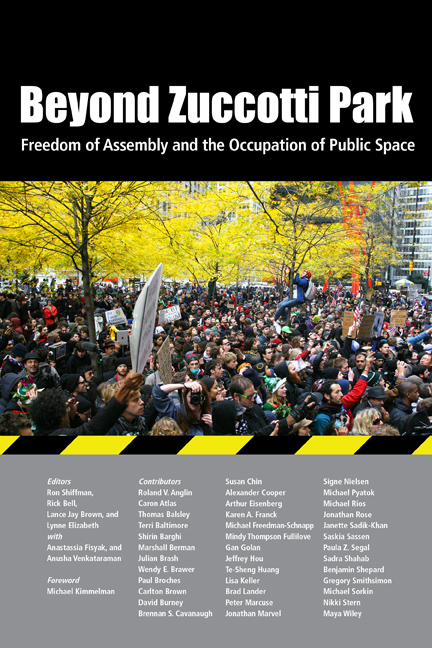
Beyond Zuccotti Park: Freedom of Assembly and the Occupation of Public Space from New Village Press

During the Occupy movement, one of the most important questions asked was who owns our public spaces and what is the role of these spaces and who is allowed (or deterred) from speaking? Beyond Zuccotti Park: Freedom of Assembly and the Occupation of Public Space is a new book that asks: Where can the public congregate and how can city planning, design, and policies support First Amendment rights to public assembly and free speech? The book features essays written by experts in social science, planning, design, civil liberties, urban affairs, and the arts that address the importance of our public spaces as forums for expression with an historic and contemporary lens.
I’m proud to say that many professors, current students and alumni of my alma mater Pratt Institute contributed to this thoughtful and important book. You can read more about the book (and it’s larger initiatives, current exhibitions, lectures and news) through Beyond Zuccotti Park’s Twitter and Facebook pages.

 THE ACCESSIBLE CITY